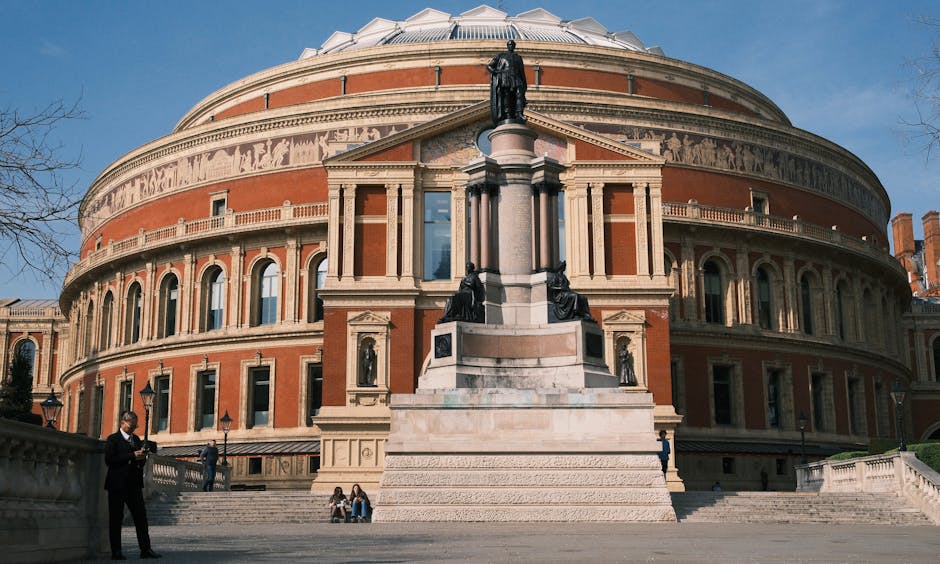
Upholstery Cleaning After Parties near Royal Albert Hall: A Practical Local Guide for Faster Recovery, Better Results, and Less Stress
If you have just hosted friends, family, or clients near the Royal Albert Hall, you already know the scene: glasses on side tables, food crumbs in the weave, the faint smell of wine or candles, and one chair that somehow took the worst of it. Upholstery Cleaning After Parties near Royal Albert Hall is not just about appearances. It is about stopping spills from settling, protecting delicate fabrics, and getting your space back to normal without making a small mess into a permanent one.
In a neighbourhood where people often care about presentation, comfort, and value, that quick turnaround matters. This guide walks through how party-related upholstery cleaning works, which mistakes to avoid, when to book professional help, and how to choose the right approach for sofas, armchairs, dining chairs, and banquettes. If you are weighing your options, you will also find practical comparisons, a checklist, and a few local-aware pointers that can save time. Honestly, a little know-how goes a long way here.
- Why it matters after a party
- How the cleaning process works
- Main benefits and advantages
- Who should book it and when
- Step-by-step guidance
- Expert tips for better results
- Common mistakes to avoid
- Tools, resources, and recommendations
- Best practice, safety, and care standards
- Methods and comparison
- Real-world example
- Practical checklist
- Conclusion
- Frequently asked questions
Why Upholstery Cleaning After Parties near Royal Albert Hall Matters
After a party, upholstery takes a beating in ways people often miss at first glance. A sofa may look fine from across the room, yet still hold drink residue, body oils, snack crumbs, perfume, smoke particles, and moisture in the fibres. The surface can seem dry while the deeper layers are not. That is where odours begin, and where stains start to become stubborn.
Near Royal Albert Hall, parties are often a bit more formal, a bit more polished, and sometimes hosted in rooms with more delicate furnishings than the average rental flat. Velvet, linen blends, wool upholstery, and light-coloured fabrics all need a gentler touch than a quick wipe. If you rush it, you can easily spread the stain or leave a water ring that looks worse than the original spill. Slightly annoying, yes. Very avoidable, also yes.
This is especially important when guests have been sitting for several hours. Fabric compression, heat, and accidental transfer from cosmetics or food oils can create marks that are not obvious until the next morning. You might not notice the damage until sunlight hits the sofa and suddenly, there it is. The party hangover, but on furniture.
If you are also managing carpets or rugs after a gathering, it can help to think about the whole room rather than one piece at a time. Our related guides on same-day carpet cleaning in Kensington and rugs for local homes are useful if the spill has travelled beyond the armchair.
How Upholstery Cleaning After Parties near Royal Albert Hall Works
Good upholstery cleaning is not one generic process. It starts with identifying the fabric, the type of stain, and how much contamination is present. A professional cleaner will usually inspect the upholstery first, checking for labels, fibre sensitivity, loose stitching, sun fading, and prior spot-cleaning attempts. That first look matters more than most people think.
From there, the method is matched to the material. For instance, a synthetic fabric can often tolerate deeper moisture and stronger agitation than silk-like fibres or a vintage piece. In real life, the wrong method can distort pile, push stains deeper, or leave the piece damp for too long. Nobody wants a sofa that smells faintly of wet laundry by evening.
Typical party-cleaning work usually includes:
- dry soil removal, such as crumbs, dust, and loose debris
- pre-treatment for drink marks, grease, or food stains
- gentle agitation to lift embedded residue
- deep cleaning using an appropriate fabric-safe system
- targeted deodorising where needed
- controlled drying to reduce re-soiling and lingering moisture
In some cases, spot treatment is enough. In others, particularly after larger gatherings, a full clean gives a much better finish. If the party involved food service, dancing, repeated use of the same seating, or a late finish with more than a few drinks spilled, a deeper clean tends to make more sense.
Key Benefits and Practical Advantages
The obvious benefit is that the furniture looks better. But to be fair, the bigger wins are often less visible.
1. Stains are less likely to become permanent.
Fresh spills are much easier to lift than set-in residue. Acting quickly often means the difference between a clean finish and a faint shadow that stays put for months.
2. Odours are reduced rather than masked.
Parties can leave behind a mix of wine, food, smoke, and general room odour. Cleaning addresses the source instead of just adding fragrance on top.
3. Fabrics last longer.
Built-up grime breaks fibres down over time. Regular care protects the fabric structure and helps upholstered furniture hold its shape and colour.
4. The room feels usable again.
There is a quiet relief in sitting down on a sofa that feels fresh, not sticky or tired. The room simply resets.
5. It supports hosting standards.
For anyone entertaining near the Royal Albert Hall, presentation matters. Whether you are hosting a small birthday, an after-event gathering, or a dinner that ran on longer than expected, clean upholstery keeps the property looking cared for.
There is also a practical financial angle. Upholstery that is cleaned properly after a spill is less likely to need replacement. That is not dramatic, just sensible. Especially with higher-end furniture, maintenance beats replacement every time.
Who This Is For and When It Makes Sense
This service is useful for more people than you might expect. It is not only for large venues or luxury homes. In fact, smaller spaces can need it just as urgently, because a single spill stands out more in a compact living room.
You may benefit from after-party upholstery cleaning if you are:
- a homeowner hosting friends or family near South Kensington or the Royal Albert Hall area
- a tenant preparing a flat for inspection after a social event
- a landlord wanting to protect furnished property value
- a short-let host dealing with fast turnover and accidental marks
- a venue manager, office host, or event organiser with upholstered seating onsite
- someone managing a special occasion where catering, candles, or drinks were involved
It makes sense to book cleaning when you notice one or more of these signs:
- visible drink rings or sticky patches
- food crumbs lodged in seams
- odours that remain after airing the room
- greasy hand marks on armrests
- embroidery, piping, or textured fabric that looks dull after use
- evidence of smoke or candle residue
If you are comparing upholstery care with broader house or domestic cleaning support, it can help to look at the wider service picture too. The site's services overview and domestic cleaning Kensington pages are useful starting points when your post-party cleanup has spread across the whole home.
Step-by-Step Guidance
If you are tackling the cleaning yourself first, or simply want to understand what a professional should be doing, this sequence keeps things sensible.
- Assess the fabric. Check the manufacturer care label, if present. If there is no label, proceed cautiously and test a hidden area first.
- Remove dry debris. Use a vacuum with an upholstery attachment to lift crumbs and dust from seams, cushions, and under piping.
- Blot spills gently. Do not rub. Rubbing drives the stain deeper and can roughen the fabric pile.
- Identify the stain type. Wine, grease, coffee, and sauce all respond differently. There is no one-size-fits-all remedy.
- Pre-treat carefully. Use an appropriate solution for the fabric, not just the strongest thing under the sink. Stronger is not always better. In fact, quite often it is worse.
- Clean with controlled moisture. Apply only what the fabric can handle, then extract or wipe as needed.
- Dry properly. Improve airflow, keep cushions separated if possible, and avoid sitting on the furniture too soon.
- Re-check once dry. Some stains reappear faintly after drying, so a second look is worth it.
One practical tip: if there were multiple spills, work from the cleanest area towards the worst. It stops you from dragging residue across the fabric. Small detail, big difference.
Expert Tips for Better Results
Here is where experience really pays off. A party cleanup is often about speed, but speed without judgement leads to damage. The best results usually come from a few calm, disciplined habits.
- Act early, but not aggressively. Fresh stains lift more easily, yet heavy scrubbing can still ruin the finish.
- Keep white cloths handy. Coloured towels can transfer dye. That tiny detail matters more than it should.
- Use minimal liquid. Over-wetting is one of the main reasons upholstery develops tide marks or lingering odours.
- Open windows where safe. Fresh air helps, although London weather does occasionally have other ideas.
- Rotate removable cushions. Dry both sides evenly and check underneath for hidden residue.
- Protect delicate trimming. Fringe, piping, and decorative stitching often need gentler handling than the main fabric.
- Consider the room context. If the party involved smoke, strong perfume, or food service, the upholstery may need deodorising as well as stain removal.
Truth be told, people sometimes underestimate how much a sofa can absorb. It looks clean. It is not always clean. That is why a proper inspection before treatment is worth its weight in gold, or at least worth a calm Saturday morning.
For readers dealing with a fast turnaround after a late-night event, the related article on same-day carpet cleaning is useful because the logic is similar: act promptly, choose the right method, and do not overdo the moisture.
Common Mistakes to Avoid
Most upholstery problems after a party come from well-meant but rushed decisions. The kind made when you are a bit tired, the music is still in your head, and you just want the room to look decent again. Understandable. Still risky.
- Rubbing stains hard. This is probably the biggest one. Rubbing spreads the stain and can damage the texture.
- Using random household products without testing. Bleach, strong detergents, and vinegar are not universal fixes.
- Putting too much water on the fabric. That can push residue deeper and create damp smells.
- Ignoring the frame and cushions. Spill paths often travel further than the visible patch.
- Reusing the sofa too soon. Sitting on partly dry upholstery can flatten fibres and trap moisture.
- Skipping the hidden areas. Arms, back edges, and cushion joins often hold more grime than the central seat area.
Another mistake is assuming every mark is a stain. Sometimes it is just transfer from clothing, lotion, or candle soot, and the fix is different. A careful diagnosis saves time and avoids unnecessary treatment. Simple, but easy to miss.
Tools, Resources and Recommendations
You do not need a warehouse of equipment to care for upholstery after a party, but having the right basics makes life easier.
- Upholstery vacuum attachment: for seams, creases, and dust removal
- Clean white microfibre cloths: for blotting and controlled wiping
- Soft brush: for lifting surface debris gently
- Fabric-safe stain treatment: selected to match the fibre type
- Fans or natural airflow: to speed up drying without overheating the fabric
- Protective gloves: useful when treating residue from food, drinks, or cleaning agents
If you want a more structured route, compare your need against the cleaning services actually offered. The page for upholstery cleaning Kensington is the most directly relevant for this kind of job, while carpet cleaning Kensington makes sense if the mess has gone beyond the seating area.
If you are looking into cost and booking details, the pricing and quotes page is the natural place to check before deciding. It is always better to understand the structure first than to guess later and feel mildly grumpy about it.
Law, Compliance, Standards, or Best Practice
For upholstery cleaning after parties, the key compliance angle is less about a single law and more about operating safely, responsibly, and in line with accepted UK cleaning practice. That usually means paying attention to fabric care, chemical handling, ventilation, and liability. If a cleaner is working in a home, venue, or furnished rental, they should be careful around electrical items, finished wood, and moisture-sensitive materials.
It is also sensible to work in a way that respects care labels and manufacturer guidance. Those labels are there for a reason. If a textile says it needs a specific cleaning method, forcing another method onto it is a bad idea, even if the stain is annoying you from across the room.
For peace of mind, look for evidence of sensible operational standards: clear service descriptions, safe handling practices, transparent terms, and insurance awareness. The site's pages on insurance and safety and health and safety policy are useful indicators of the kind of professional approach people should expect. If you are comparing providers, it is fair to ask how they protect furniture, reduce drying risk, and deal with accidental over-wetting.
For tenants and landlords, party-related marks can also become relevant during move-out cleaning or inventory checks. In that case, broader end-of-tenancy support may be sensible, especially if the upholstery issue sits alongside carpets, walls, or other visible wear. The article on affordable end-of-tenancy cleaning costs in Kensington W8 gives useful context for that wider decision.
Best practice, in plain English, means this: inspect carefully, choose the least aggressive effective method, protect the fabric, dry it properly, and document any pre-existing wear if the property is rented or managed professionally.
Options, Methods, or Comparison Table
Different upholstery-cleaning approaches suit different party aftermaths. Here is a simple comparison to help you decide.
| Method | Best for | Advantages | Limitations |
|---|---|---|---|
| Spot cleaning | Small, fresh spills on a single area | Quick, targeted, low disruption | Can miss hidden residue and odours |
| Hand cleaning | Delicate fabrics and careful stain control | Gentle and precise | Slower and less effective on deep soiling |
| Deep upholstery cleaning | Multiple marks, odours, or heavy use after a party | More thorough and longer-lasting results | Needs proper drying time and correct fabric matching |
| Combined carpet and upholstery clean | Living rooms and reception spaces with wider spill spread | Consistent finish across the room | May take longer and require more planning |
If you are dealing with a fully furnished property, combining upholstery work with other household cleaning can be smart. The site's house cleaning Kensington page is useful for understanding how room-wide cleaning support can fit around a post-event reset.
Case Study or Real-World Example
Here is a realistic scenario from the kind of work people request after an evening gathering near Royal Albert Hall.
A couple hosted a dinner for eight, followed by a small after-drinks session. The room looked okay the next morning at first glance, but one cream sofa had a red wine mark on the seat cushion, some oily food residue on the arm, and a dull patch where guests had sat in the same place for hours. They tried a wet cloth, then a stronger cleaner from the cupboard, then stopped because the fabric started looking patchy. Sensible move at that point, actually.
The cleaner first vacuumed the sofa, tested the treatment on a hidden section, then used controlled pre-treatment for the wine and grease. The flat was kept ventilated, and the cushions were dried separately. The noticeable win was not only stain reduction. The sofa also lost that stale party smell that tends to linger when drinks, perfume, and warm room air have mixed overnight. By the afternoon, the room felt reset rather than merely tidied.
The takeaway? The earlier you get the right method involved, the less likely you are to turn a small incident into a bigger repair job. Sometimes the difference is one cautious hour and a little patience.
Practical Checklist
Use this quick checklist after your event, especially if you want to avoid irreversible marks.
- Remove loose crumbs and debris with a vacuum
- Identify every visible spill or mark before cleaning
- Check the fabric care label if available
- Blot, do not rub
- Test any treatment in a hidden area first
- Use the smallest effective amount of moisture
- Keep cushions separated while drying
- Improve airflow in the room
- Reinspect the fabric after it dries
- Book professional upholstery cleaning if stains remain, smell persists, or the fabric is delicate
Expert summary: after a party, the right upholstery-cleaning approach is the one that removes residue without stressing the fabric. Fast action helps, but fabric-safe technique matters more than brute force. If the room was busy, warm, and full of food or drinks, assume there is more going on in the fibres than you can see on the surface.
Conclusion
Upholstery Cleaning After Parties near Royal Albert Hall is really about restoring the room with care. You are not just lifting a stain. You are protecting fabric quality, reducing odours, and getting your space back to a standard that feels calm again. That matters whether you hosted four people or fourteen, whether the party was polished or a little chaotic, whether the mess is obvious or hiding in the fibres.
The best approach is usually simple: act early, avoid harsh DIY mistakes, choose the right method for the fabric, and do not underestimate the drying stage. If you do that, you give your upholstery the best chance of coming back clean and presentable without drama. And let's be honest, after a good party, a little less drama is exactly what most people want.
If your sofa, chairs, or banquette seating need proper attention after entertaining near the Royal Albert Hall, a targeted clean can make the whole room feel lighter, fresher, and more settled again.
Get a free quote today and see how much you can save.
Frequently Asked Questions
How soon should upholstery be cleaned after a party?
As soon as practical. Fresh spills are easier to remove, and odours are less likely to settle into the fabric. Even if you cannot clean immediately, blotting and gentle airflow help until proper cleaning is done.
Can I clean party stains myself?
Yes, for small and fresh marks on robust fabrics. Use a careful blotting method, test first, and avoid soaking the area. For delicate upholstery, older stains, or anything that smells after drying, professional cleaning is usually the safer choice.
What are the most common party stains on upholstery?
Wine, beer, coffee, food oils, sauces, chocolate, cosmetic transfer, and general body oils are the usual suspects. Smoke residue and candle soot can also leave a dull film or lingering smell.
Does upholstery cleaning remove bad smells after a party?
Usually, yes, if the odour source is in the fabric rather than the room air. A proper clean can remove residue that causes smells to linger. Light fragrance alone will not solve that very well, to be fair.
How long does upholstery take to dry?
Drying time depends on the fabric, room ventilation, and the cleaning method used. Lightweight cleaning may dry relatively quickly, while deeper cleaning needs more time. Good airflow makes a noticeable difference.
Is steam cleaning safe for all upholstery?
No. Not all fabrics can handle heat or moisture in the same way. Some materials need low-moisture cleaning or a gentler process. Always check the care label or ask for fabric-specific advice first.
What should I do if red wine spills on a sofa?
Blot gently with a clean cloth right away. Do not rub. Avoid adding random products before testing, because you can spread the stain or make it harder to remove later. If it is a pale or delicate fabric, professional treatment is often the safest route.
Can cleaning help if the sofa looks fine but smells stale?
Absolutely. Upholstery can hold odours long after visible marks are gone. Food, drinks, perfume, and smoke can all linger in fibres, especially after several hours of use in a warm room.
How do I know if my sofa fabric is delicate?
If it is velvet, silk-like, heavily textured, vintage, or lacks a care label, treat it as delicate until confirmed otherwise. When in doubt, test discreetly or ask a cleaner with upholstery experience to inspect it first.
Should upholstery cleaning be combined with carpet cleaning after a party?
Often, yes. If drinks or crumbs have spread around the room, cleaning only the sofa can leave the space looking half-finished. A combined approach gives a more even result and is often more practical.
What if the stain has already dried?
Dried stains are harder, but not necessarily hopeless. The key is matching the treatment to the stain type and fabric. Avoid aggressive scrubbing, because that can damage the upholstery before the stain is even lifted.
Is this kind of cleaning useful for rented flats near Royal Albert Hall?
Yes. If you are a tenant, landlord, or property manager, post-party upholstery care can help protect condition, reduce dispute risk, and keep furnished rooms in good shape between inspections or tenancies.
Where can I learn more about local cleaning services and related care?
You can explore the site's broader guidance, including Kensington local insights and advice and the guide to iconic party spots in Kensington, both of which add useful local context when planning around social events and property care.