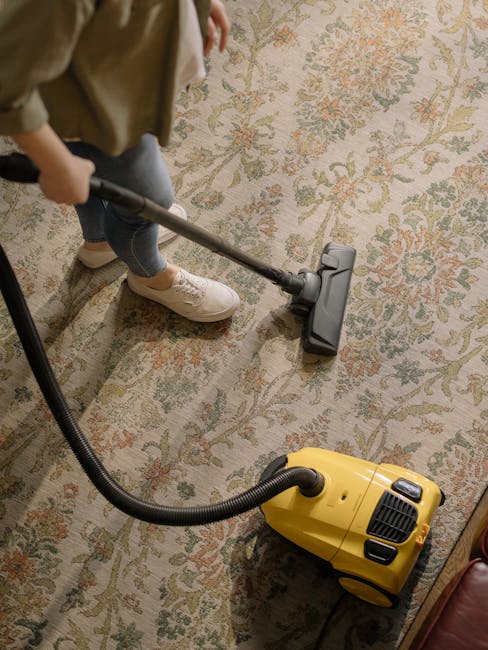
Kensington and Chelsea Council Carpet Cleaning Rules: What Residents, Tenants, and Property Owners Need to Know
If you are trying to figure out Kensington and Chelsea Council Carpet Cleaning Rules, you are probably dealing with one of three situations: moving out, dealing with a stubborn stain, or making sure a property is kept to a standard that won't cause awkward back-and-forth later. Fair enough. Carpet cleaning sounds simple until council expectations, tenancy wording, waste water, access issues, and good old London practicality all land in the same room.
This guide breaks the topic down in plain English. You will learn what usually matters in Kensington and Chelsea, how local expectations are handled in practice, what can trip people up, and how to avoid paying twice for the same job. Along the way, we'll also touch on useful services and related advice, including end of tenancy cleaning support in Kensington, carpet cleaning services in Kensington, and a few local guides that help put the area into context, such as Kensington local insights and advice.
Practical takeaway: most people do not need to "over-comply" with carpet rules. They need to understand what is actually expected, what is sensible, and what can be documented. That alone saves a lot of stress.
Table of Contents
- Why Kensington and Chelsea Council Carpet Cleaning Rules Matters
- How Kensington and Chelsea Council Carpet Cleaning Rules Works
- Key Benefits and Practical Advantages
- Who This Is For and When It Makes Sense
- Step-by-Step Guidance
- Expert Tips for Better Results
- Common Mistakes to Avoid
- Tools, Resources and Recommendations
- Law, Compliance, Standards, or Best Practice
- Options, Methods, or Comparison Table
- Case Study or Real-World Example
- Practical Checklist
- Conclusion
- Frequently Asked Questions
Why Kensington and Chelsea Council Carpet Cleaning Rules Matters
Carpet cleaning rules in Kensington and Chelsea matter because they sit at the intersection of property standards, tenancy expectations, hygiene, and practical upkeep. That sounds like a lot, but in real life it usually comes down to one thing: does the carpet meet the condition expected for the property type and the situation?
For tenants, this often means understanding what is expected at the end of a tenancy and what is simply normal wear and tear. For landlords and agents, it means setting fair standards without asking for unnecessary work. For homeowners and business owners, it means keeping carpets presentable, safe, and suitable for daily use in a busy part of London where traffic from shoes, pets, prams, and the odd takeaway spill can build up faster than you'd think.
There is also a local practical angle. Kensington and Chelsea properties are often older, more characterful, and sometimes more delicate than standard newer builds. That can affect everything from fibre choice to drying times. A heavy-handed clean can do more harm than good. Seen it happen. A lot of the best results come from knowing what not to do.
Another reason it matters: carpets can influence deposit disputes, letting standards, and the general impression a property gives. A room can be freshly painted, neatly staged, and still feel tired if the carpets are dull or marked. In property terms, that is often the detail people notice first, even if they don't say it out loud.
For a broader look at how local property expectations fit together, the articles on real estate investment strategies in Kensington and selling real estate in Kensington are useful companions.
How Kensington and Chelsea Council Carpet Cleaning Rules Works
Let's be careful and practical here. There is not usually a single, standalone "carpet cleaning rulebook" for every home in the borough. Instead, expectations are shaped by a mix of local authority requirements where relevant, tenancy agreements, property condition standards, landlord responsibilities, and general environmental and safety best practice.
In plain terms, that means the "rules" tend to work like this:
- For rented homes: the tenancy agreement often sets the standard for carpet condition at move-out.
- For managed properties: agents may ask for professional cleaning if it is specified in the contract.
- For households: the main concern is cleanliness, damage prevention, and using safe cleaning methods.
- For landlords and letting teams: the practical goal is to return a property in a habitable, presentable state without unfairly charging tenants for normal wear.
- For cleaners: the focus is on using suitable products, controlling moisture, and avoiding staining, shrinking, or colour bleed.
What people often call "Council rules" is really a combination of local standards and tenancy expectations. That's why two flats on the same street can be handled slightly differently depending on who manages them and what paperwork says. Annoying? A bit. But predictable once you know where to look.
In practice, the process usually involves an assessment of carpet condition, a decision on cleaning method, and a record of the work done. If you are preparing for check-out, it helps to take dated photos before and after. Not glamorous, but effective.
If you need speed because keys are due back fast, the guide to same-day carpet cleaning in Kensington W8 and W14 may also be useful.
Key Benefits and Practical Advantages
Following sensible carpet cleaning expectations in Kensington and Chelsea has a few real advantages. None of them are flashy, but they matter when money, time, or tenancy disputes are on the line.
- Fewer deposit disputes: a clean, well-documented carpet condition reduces arguments over charges.
- Better property presentation: carpets affect how a room feels the moment someone walks in.
- Improved hygiene: regular cleaning can reduce visible dirt, odours, and trapped debris.
- Longer carpet life: correct maintenance helps fibres last longer, which is no small thing in a high-value property market.
- Safer surfaces: wet patches, residue, and neglected spills can become practical hazards.
- More confidence at check-out or inspection: when the standard is clear, you are not guessing.
There is also a subtle but important benefit: peace of mind. If you know the carpet was cleaned properly, you stop worrying about the small things. You can move on to the packing, the handover, the next tenant, or the next phase of life. Truth be told, that mental relief is worth a lot.
For people comparing service options, the article on hidden carpet cleaning charges to avoid in Kensington is especially helpful before booking.
Who This Is For and When It Makes Sense
This topic is relevant to more people than you might expect. It is not just for tenants at the end of a lease, although that is the most obvious use case.
Tenants
If you rent in Kensington and Chelsea, you may need to return the property in a clean condition, especially where the contract or inventory check mentions carpets. Even if professional cleaning is not specifically required, you still want to leave the place in good order. Nobody enjoys a post-move email with blurry photos and a demand that feels half fair, half irritating.
Landlords and letting agents
For landlords, carpet rules matter because they affect turnover time, refurbishment costs, and the quality of the next viewing. A careful clean can often avoid replacement. That's not always possible, of course, but it is often the first sensible step.
Homeowners
Homeowners may care more about maintenance than compliance, but the practical logic is the same. A good carpet clean keeps the home comfortable and helps preserve value, especially in reception rooms, hallways, and stair runners that get the most traffic.
Office managers and small businesses
For offices, carpet standards are tied to staff comfort, image, and day-to-day cleanliness. One muddy winter week can do surprising damage. You notice it in the smell, the dullness, and the general "this place needs attention" feeling.
For business premises, it may also make sense to look at broader support through office cleaning in Kensington or the wider services overview.
Step-by-Step Guidance
If you want to stay on the right side of carpet cleaning expectations, the most reliable approach is a calm, methodical one. No drama, no guesswork.
- Check the paperwork first. Look at your tenancy agreement, inventory, check-in photos, or managing agent notes. The wording matters more than assumptions.
- Identify the carpet type. Wool, synthetic, blended, and delicate fibres all respond differently to heat, moisture, and detergent.
- Spot the problem areas. Stains, traffic lanes, pet marks, odours, and flattened pile need different treatment.
- Decide whether a light clean or deep clean is needed. A quick refresh is not the same as a full end-of-tenancy treatment.
- Choose a cleaning method carefully. Hot water extraction, low-moisture cleaning, or hand spot treatment may be better depending on the fabric.
- Test a small area first. Especially on older carpets or sensitive dyes, a patch test is basic common sense.
- Manage drying time. Allow ventilation and avoid walking on the carpet too soon. Wet carpet underfoot is no one's favourite surprise.
- Document the result. Take clear photos and keep receipts or job notes if the clean is needed for a tenancy handover.
One small but useful point: don't wait until the last hour. In a city where weather can shift from bright to damp in no time, drying time matters. A carpet that looks fine at 2 pm may still be soft at 6 pm. Not ideal if the keys are due.
If you are balancing price and timing, you may also want to read affordable end-of-tenancy cleaning costs in Kensington W8 for practical budgeting context.
Expert Tips for Better Results
Small decisions make a big difference with carpets. The best jobs usually come from restraint, not aggression.
- Vacuum thoroughly before any wet treatment. Loose grit turns into abrasive slurry if you skip this step.
- Avoid over-wetting. Too much moisture can lead to slow drying, tide marks, and lingering smells.
- Match the method to the stain. Grease, tea, makeup, wine, and pet accidents each behave differently. One product does not magically handle all of them.
- Watch the edges and joins. Hallway edges and doorway transitions are where wear often shows first.
- Use furniture protection. Clean but damp carpets and heavy legs do not get along well.
- Keep airflow moving. Open windows where safe, use fans if needed, and let the room breathe.
- Ask for clarity on what is included. Stain treatment, deodorising, and stair cleaning are sometimes extra, sometimes not. Ask early.
Expert summary: In Kensington and Chelsea, good carpet cleaning is less about chasing perfection and more about matching the right process to the property, the fibres, and the deadline. That is where most of the value sits.
And yes, sometimes the best advice is simply: do less, but do it properly.
Common Mistakes to Avoid
A lot of carpet problems are created by well-meant mistakes. A bottle of strong cleaner from under the sink, a rush job, or too much confidence can leave you with a bigger issue than the original stain. Happens more often than people admit.
- Using harsh chemicals on delicate carpets. This can strip colour or damage the pile.
- Scrubbing too hard. That often pushes dirt deeper and frays fibres.
- Ignoring the tenancy wording. If the contract says a professional clean is required, hoping it will not matter is risky.
- Leaving cleaning until move-out day. Drying time alone can cause avoidable stress.
- Booking the cheapest option without checking what is included. Hidden extras can turn a bargain into a headache.
- Failing to photograph the condition before cleaning. If there is a dispute later, you want a clear record.
- Forgetting about odour. A carpet can look fine and still smell bad if the source was not fully treated.
A slightly uncomfortable truth: many disputes are not about the carpet itself. They are about communication. If expectations are clear, most of the drama disappears. That's just the way it goes.
Tools, Resources and Recommendations
You do not need a van full of equipment to handle carpet care well, but you do need the right basics. Here is a sensible starter set for everyday maintenance and move-out preparation.
- Vacuum cleaner with a clean filter: the simplest tool, and still the most important.
- Microfibre cloths: useful for blotting stains before they set.
- Neutral carpet cleaning solution: safer for routine use than aggressive cleaners.
- Soft brush: helps lift fibres without roughing them up.
- Fan or air movement: especially useful after wet cleaning.
- Protective gloves: basic safety for hands and skin.
- Phone camera: for before-and-after records, which matter more than people expect.
If you prefer professional support, it helps to look at companies that explain their process clearly, including insurance and safety information, health and safety policy details, and about the business. Those pages tell you a lot about how seriously the work is handled.
For costs, the page on pricing and quotes is useful before you commit. And if you want a broader snapshot of the company's approach, the footer information can be handy for practical policies and service context.
Law, Compliance, Standards, or Best Practice
This is where careful wording matters. Carpet cleaning in Kensington and Chelsea may be influenced by tenancy law, property management standards, health and safety duties, and general consumer expectations, but the exact obligation depends on your situation. There is no one-size-fits-all answer, and anyone promising one is probably simplifying too much.
Here is the sensible way to think about compliance:
- Tenancy agreements: these can set specific cleaning expectations, including whether professional carpet cleaning is required at move-out.
- Inventory and condition reports: these are often used to compare the state of carpets at check-in and check-out.
- Landlord and agent standards: property managers usually look for fairness, cleanliness, and evidence.
- Health and safety: cleaners should use products and methods that are suitable for the material and safe for occupants.
- Consumer fairness: charges and service descriptions should be clear, especially where extras might apply.
Best practice is often more useful than rigid rule-chasing. For example, a professionally cleaned carpet with documented before-and-after photos may be far more persuasive than a vague statement that "it looked fine." The practical evidence matters.
If you are dealing with tenancy handover concerns, the guide to end of tenancy cleaning in Kensington is a sensible related read, and the terms and conditions page helps explain service boundaries in plain terms.
Options, Methods, or Comparison Table
Different carpet-cleaning approaches suit different situations. If you are choosing between DIY and professional help, or between a quick refresh and a deep clean, the table below gives a practical overview.
| Method | Best for | Strengths | Trade-offs |
|---|---|---|---|
| Vacuuming and spot cleaning | Routine upkeep, light marks | Fast, cheap, easy to repeat | Won't solve deep dirt or odours |
| DIY carpet cleaner machine | Small homes, occasional deep refresh | Convenient, good for surface freshness | Risk of overwetting, uneven results |
| Professional hot water extraction | End of tenancy, heavy soiling | Deep cleaning, strong stain removal potential | Longer drying time, may need furniture moving |
| Low-moisture cleaning | Delicate fibres, faster turnaround | Quicker drying, less water risk | May be less aggressive on deep-set dirt |
| Stain-specific treatment | Wine, tea, pet spots, localised issues | Targeted and efficient | Not a full-room solution on its own |
To be fair, most households benefit from a mix rather than one "perfect" method. A careful vacuum, a targeted spot treatment, and a proper deep clean when needed usually beats a one-size-fits-all approach.
Case Study or Real-World Example
Picture a two-bedroom flat near a busy Kensington street, with a hallway runner, a wool-blend living room carpet, and a few obvious tea marks near the sofa. Nothing dramatic, just lived-in. The tenant is moving out on Friday, and the landlord wants the carpets left in a clean condition.
At first, the tenant assumes a quick vacuum and a few sprays will do the job. But after checking the inventory, it becomes clear the carpet was already noted as lightly marked at move-in. That changes the approach. Instead of chasing a perfect "new carpet" finish, the goal becomes reasonable improvement, careful cleaning, and clear evidence of what was done.
They book a clean that focuses on the living room and hallway, use stain treatment where needed, and allow enough drying time before handover. Photos are taken in daylight by the window. The result is not magical. It is better than that. It is documented, sensible, and consistent with what the property needed.
That's the real lesson. In many Kensington and Chelsea cases, success comes from matching the work to the evidence, not from overdoing it. A bit dull to say, perhaps, but true.
If you want to compare practical end-of-tenancy support with cleaning costs, the post on affordable end-of-tenancy cleaning costs in Kensington W8 gives helpful context without the fluff.
Practical Checklist
Use this simple checklist before any move-out clean, inspection, or deep refresh. It keeps things grounded.
- Check the tenancy agreement or management instructions.
- Review check-in and inventory photos if available.
- Identify the carpet fibre and any delicate areas.
- Vacuum thoroughly before any wet cleaning.
- Test cleaning products on a hidden patch first.
- Treat stains individually rather than attacking the whole carpet.
- Allow proper drying time with ventilation.
- Keep receipts, notes, and before-and-after photos.
- Confirm whether a professional invoice is needed.
- Double-check that all furniture movement and stain treatment are included in the quote.
Quick reality check: if a carpet is heavily damaged, stained beyond cleaning, or worn through in places, cleaning alone may not solve it. At that point, honesty is better than wishful thinking.
Conclusion
Kensington and Chelsea Council Carpet Cleaning Rules are best understood as a blend of local property expectations, tenancy terms, cleaning standards, and common sense. There is no need to make it more complicated than it is. Check the paperwork, choose the right method, allow enough drying time, and keep records. That simple sequence solves most problems.
Whether you are a tenant trying to protect your deposit, a landlord preparing for the next letting, or a homeowner keeping a beautiful property in good order, the same principle applies: do the right amount of cleaning, in the right way, at the right time. Not too much, not too little.
And if you are still weighing up whether to handle it yourself or bring in help, that is completely normal. Sometimes the calmest move is just getting a proper quote and comparing the options without pressure. One sensible step, then the next.
Get a free quote today and see how much you can save.
In a place like Kensington and Chelsea, where details really do matter, a well-kept carpet can quietly make everything else feel more settled.
Frequently Asked Questions
Do Kensington and Chelsea Council Carpet Cleaning Rules require professional cleaning?
Not always. It usually depends on the tenancy agreement, inventory condition, and property manager expectations. Some agreements require professional cleaning, while others just require the property to be left clean and tidy.
Can a landlord insist on carpet cleaning at the end of a tenancy?
A landlord or agent may require carpet cleaning if the tenancy agreement says so, or if the carpets are left in a worse condition than at check-in. The key point is what was agreed and what condition is evidenced.
What counts as fair wear and tear on carpets?
Fair wear and tear usually means normal fading, flattening in walkways, and gradual ageing from everyday use. Heavy staining, burns, and damage are different matters and may be treated separately.
How clean do carpets need to be for check-out?
They should generally be clean enough to match reasonable expectations set by the tenancy or inventory. That does not always mean flawless, but it does mean free from avoidable dirt, strong odours, and obvious stains where cleaning can reasonably fix them.
What is the best carpet cleaning method for rented flats in Kensington?
That depends on the carpet type and condition. Hot water extraction is often used for deep cleaning, while low-moisture methods may suit delicate fibres or quicker turnaround. The right choice is usually the one that cleans well without over-wetting the carpet.
How long does a carpet take to dry after cleaning?
Drying time varies by method, ventilation, room temperature, and carpet thickness. Some carpets dry fairly quickly; others need longer. It is sensible to allow extra time rather than rushing furniture back too soon.
What should I do before booking a carpet cleaner?
Check the contract, look at any inventory notes, ask what is included in the quote, and confirm whether stain treatment or stair cleaning costs extra. A few questions up front can save a lot later.
Are hidden charges common with carpet cleaning?
They can happen if the price is not explained clearly. Common extras may include stain treatment, heavy soiling, furniture moving, or parking-related time. That is why transparent quotes matter.
Does carpet cleaning help with odours as well as stains?
Yes, often it does, especially when the odour comes from trapped dirt or surface contamination. If the smell is caused by deep moisture or pet accidents, you may need more targeted treatment.
What if the carpet is already damaged or permanently marked?
If the carpet is damaged, cleaning may improve appearance but not fully restore it. In that case, it is better to document the condition honestly and discuss the issue with the landlord, agent, or service provider rather than assume a clean will solve everything.
Is there a difference between domestic carpet cleaning and end-of-tenancy carpet cleaning?
Yes. Domestic cleaning is usually about routine maintenance and freshness, while end-of-tenancy cleaning is more thorough and often focused on inspection standards, stains, edges, and documented results.
Where can I find more local cleaning guidance for Kensington?
The local guide on Kensington local insights and advice is a good place to start, especially if you want a better feel for the area and the practical expectations around property care.